
İstanbul Gelişim University continues to draw attention not only through its academic output but also through projects that produce solutions to society's real needs, bring different disciplines together, and support sustainable development. Standing out through its social benefit-oriented work across a wide range from education to health, from the environment to social services, İstanbul Gelişim University has once again demonstrated this approach with a new TÜBİTAK-funded project.
The project titled "Holistic Intervention in Rural Areas: A Sustainable One Health Model," prepared under the leadership of the Social Work Department of İstanbul Gelişim University's Faculty of Health Sciences (FHS), has been selected for support under the TÜBİTAK 4009 Support Program for Village Schools.
The project, to be implemented in Taşkesen Neighborhood in the Tekman district of Erzurum, aims to bring the "One Health" approach, which examines human, animal, and environmental health not as independent but as mutually influencing and complementary elements, together with the dynamics of rural life.
Science and Local Life to Come Together in Taşkesen
To be implemented from September 28–30, 2026 at Taşkesen Şehit Nurullah Saraç Primary and Middle School, the project will develop a holistic preventive health-focused intervention model that takes into account the socio-cultural and spatial characteristics of the region.
In the region, where animal husbandry and local production are important means of livelihood, the goal is to raise awareness about zoonotic diseases (infectious diseases transmissible naturally from vertebrate animals to humans), while aiming to support the development of sustainable health behaviors through the transfer of scientific knowledge into everyday life practices.
With its participatory structure that centers the existing knowledge and experiences of rural communities, the project aims to go beyond being a short-term awareness initiative and to present a model of lasting transformation.
A Lasting Impact through a Three-Phase Intervention Model
The project combines scientific knowledge with experiential learning processes across three core application areas.
Primary school students will have the opportunity to experience microbiology, hygiene, and preventive health processes through applied activities such as microscopic examination of raw milk, transmission simulations using fluorescent powder, and water filter design activities. As students carry the knowledge they gain into their home environments, the goal is to strengthen health awareness within households.
"Tandir-Side Ecological Awareness and Health Conversations"
As part of the project, interactive health conversations focused on preventive health will be held with women, one of the key actors in rural life, in their natural spaces of solidarity around the communal bread ovens (tandır). This approach, designed outside formal educational settings, aims to share health knowledge in a manner consistent with local cultural codes.
To ensure the sustainability of the project, a permanent learning space will be established within the school. The "One Health Children's Curiosity and Learning Space" — to be supported with a science library and educational materials for ongoing use by students and teachers — will be transformed into a living learning center for future generations.
A Sustainable Solution through Interdisciplinary Collaboration
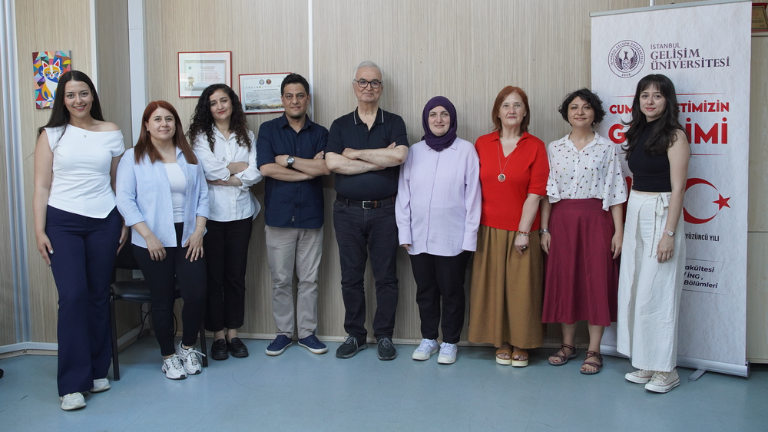
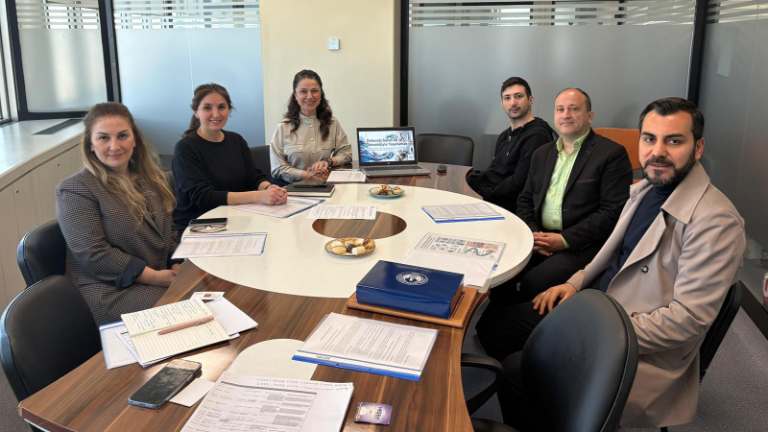
The project team, bringing together experts from different academic units of İstanbul Gelişim University, carries the interdisciplinary character of the "One Health" approach into the field.
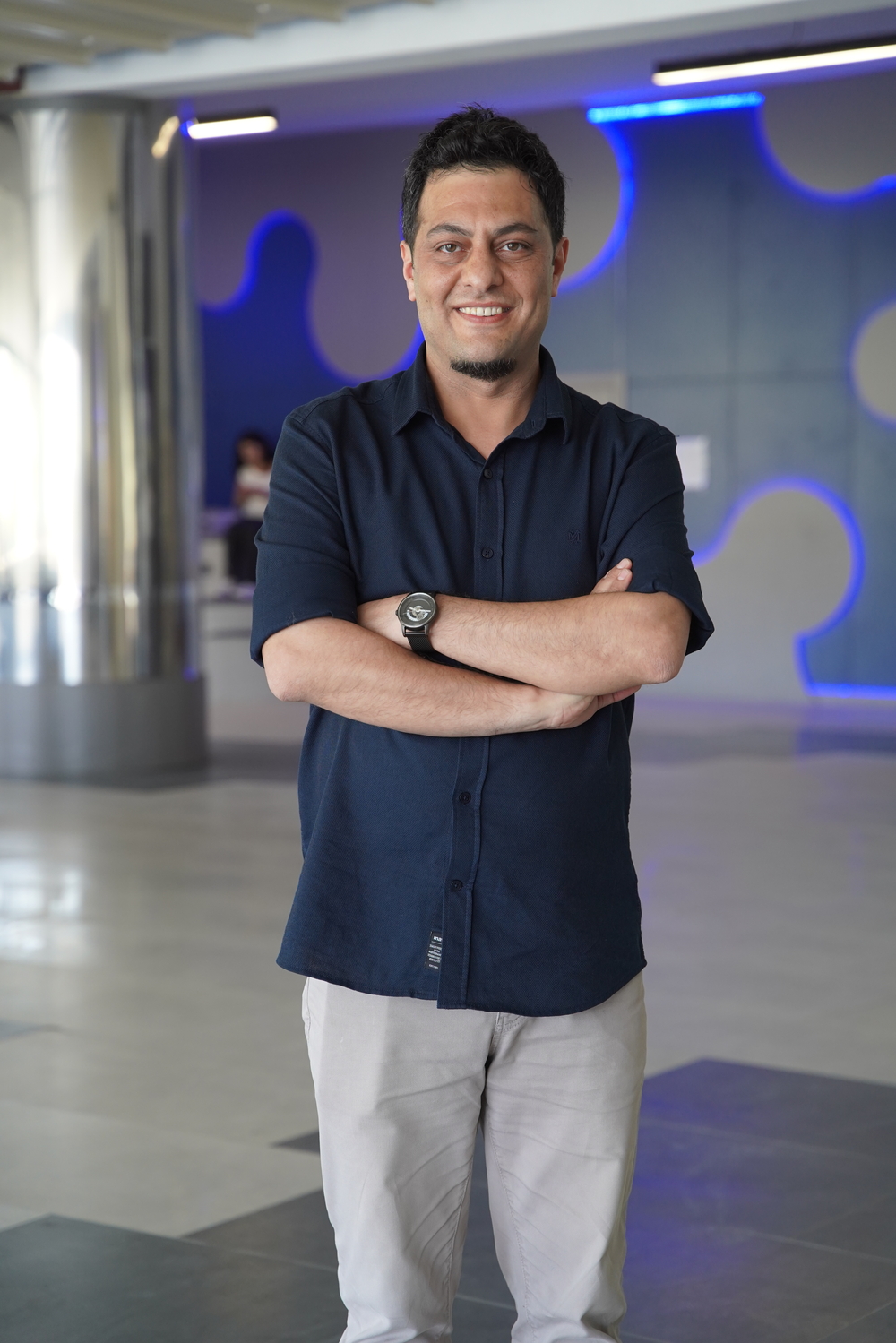
Asst. Prof. Emrah Tüncer, who is leading the project, will manage field coordination and conduct the "One Health and Rural Social Work Talk." FHS Dean Prof. Mustafa Nizamlıoğlu will share his expertise in food hygiene and zoonotic diseases through the "Cheese Culture and Raw Milk Workshop." Asst. Prof. Funda Pehlevan Karabıyık will make molecular biology and pathogen transmission visible through experiential learning methods at a "The Invisible Danger: Transmission Simulation Workshop" for children. Assoc. Prof. Anıl Al Rebholz will design the content of the "One Health, Ecological Life, and Solidarity Workshop" for women, developing a participatory learning process that centers rural life experiences. Dr. Çiğdem Tüncer will share preventive health information on health topics that women face throughout their life cycles as part of the "Tandir-Side Conversations." Asst. Prof. Yonca Güneş Yücel Atalay will manage the content planning and archive coordination for the science library to be established. Res. Asst. Fatma Türkan Özırmak and Res. Asst. Şebnem Çelik Uçuran will conduct the "Language of Nature and Future Passport Workshop" aimed at strengthening children's relationship with nature. Field organization and operational processes will be coordinated by auxiliary health personnel Seval Tetik.
A Model Contributing to Societal Transformation from IGU
The project, which brings together different disciplines, social work, sociology, anthropology, medicine, molecular biology, child development, and food safety, around a common goal, provides a strong example of the fact that universities are not merely institutions that produce knowledge, but also active partners in societal transformation.
With this approach of bringing scientific knowledge together with field applications, İstanbul Gelişim University aims to contribute to the strengthening of preventive health services in rural areas, to improve the quality of life of local communities, and to transform a sustainable "One Health" model into a structure that can be passed on to future generations.
This study, to be implemented with TÜBİTAK support, stands out as a concrete reflection of İstanbul Gelişim University's science philosophy centered on societal benefit and its culture of interdisciplinary production.