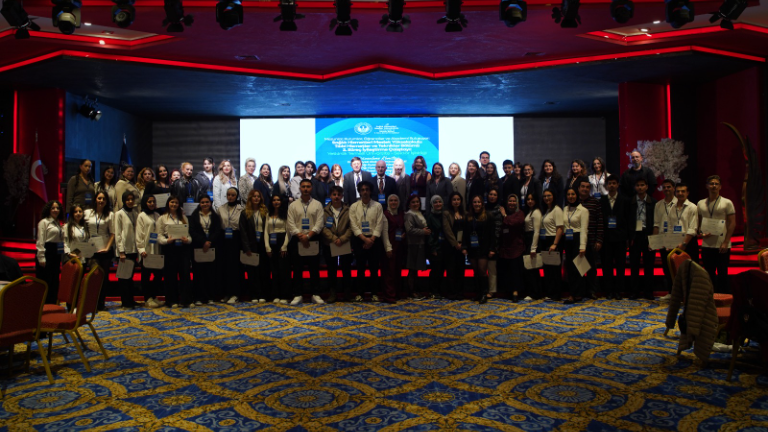

İstanbul Gelişim University, which stands out for its quality-focused educational approach, continuous improvement philosophy, and strong industry partnerships, aims to train the health professionals of the future by equipping its students not only with academic knowledge but also with applied skills and professional competencies. In this context, the university continuously works to improve its educational processes by bringing together industry representatives, alumni, students, and academics on common platforms.In line with this vision, the workshop titled "Alumni, Institutions, Students, and Academia Come Together: 2nd Process Improvement Workshop of the İstanbul Gelişim University School of Health Services Medical Services and Techniques Department: Competency-Based University–Sector Collaboration," organized by the Medical Services and Techniques Department of İstanbul Gelişim University's School of Health Services (SHMYO), brought all stakeholders of the health sector together under one roof.
IGU Management Lends Full Support to the Workshop
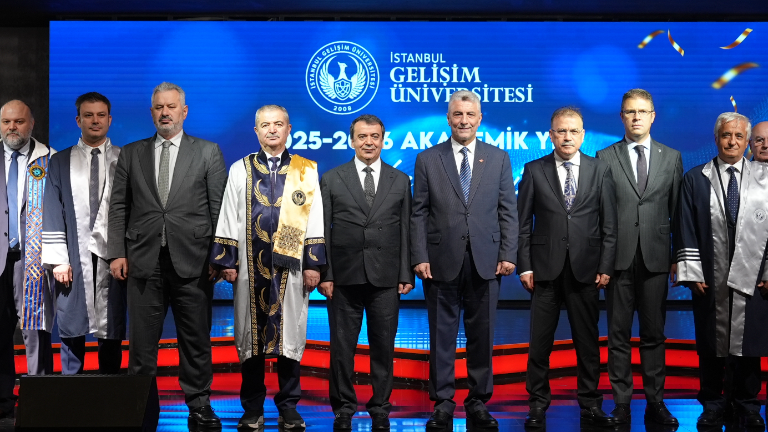
The opening program of the workshop, aimed at enhancing quality in health education and strengthening university–sector collaboration, was attended by IGU Rector Prof. Dr. Bahri Şahin, Vice Rectors Prof. Nuri Kuruoğlu and Prof. Necmettin Maraşlı, SHMYO Director Asst. Prof. Abdullah Yüksel Barut, and Deputy Directors Asst. Prof. Nurcihan Tan Erkoç and Asst. Prof. Ali Karaağaç.
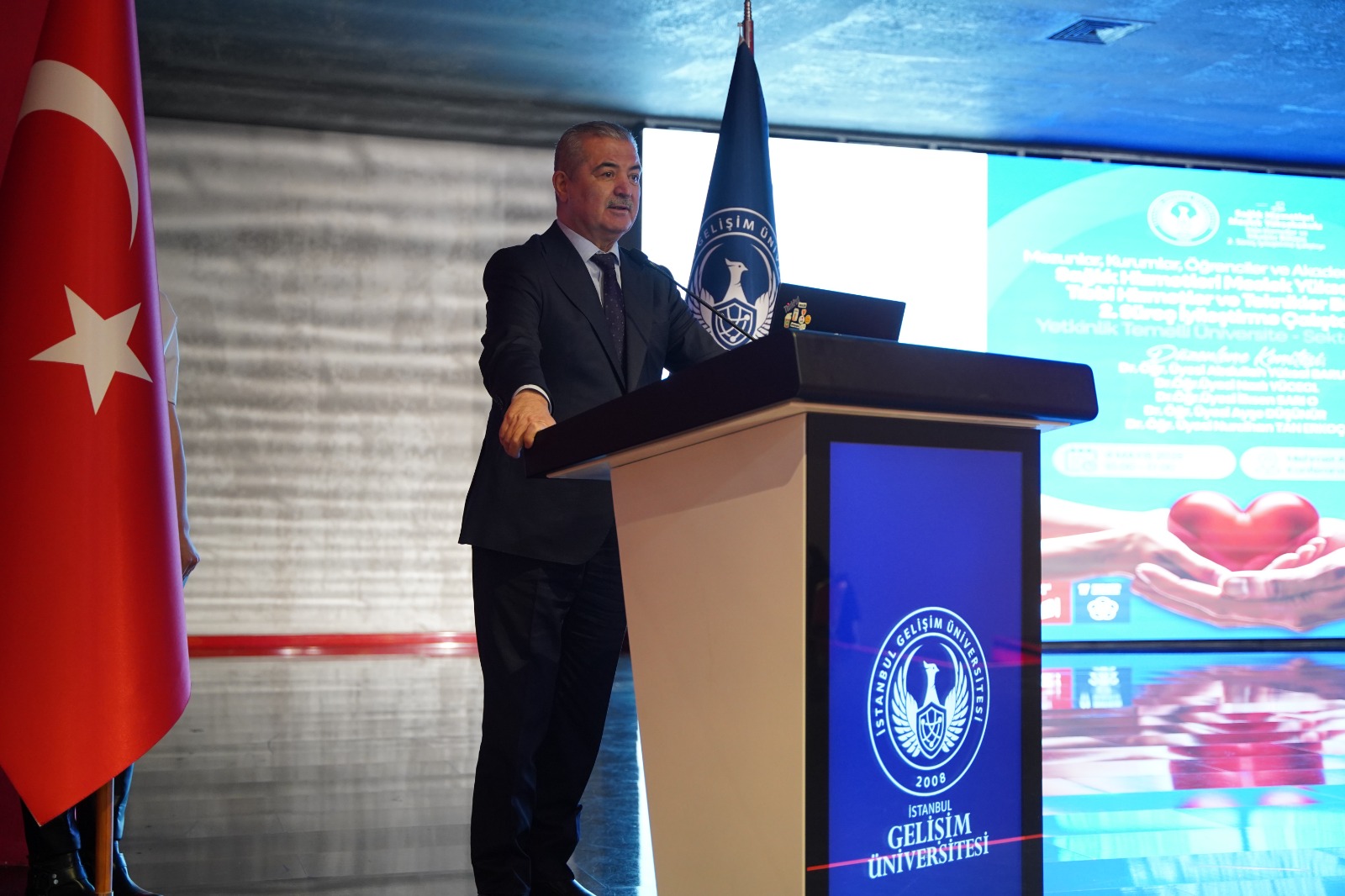
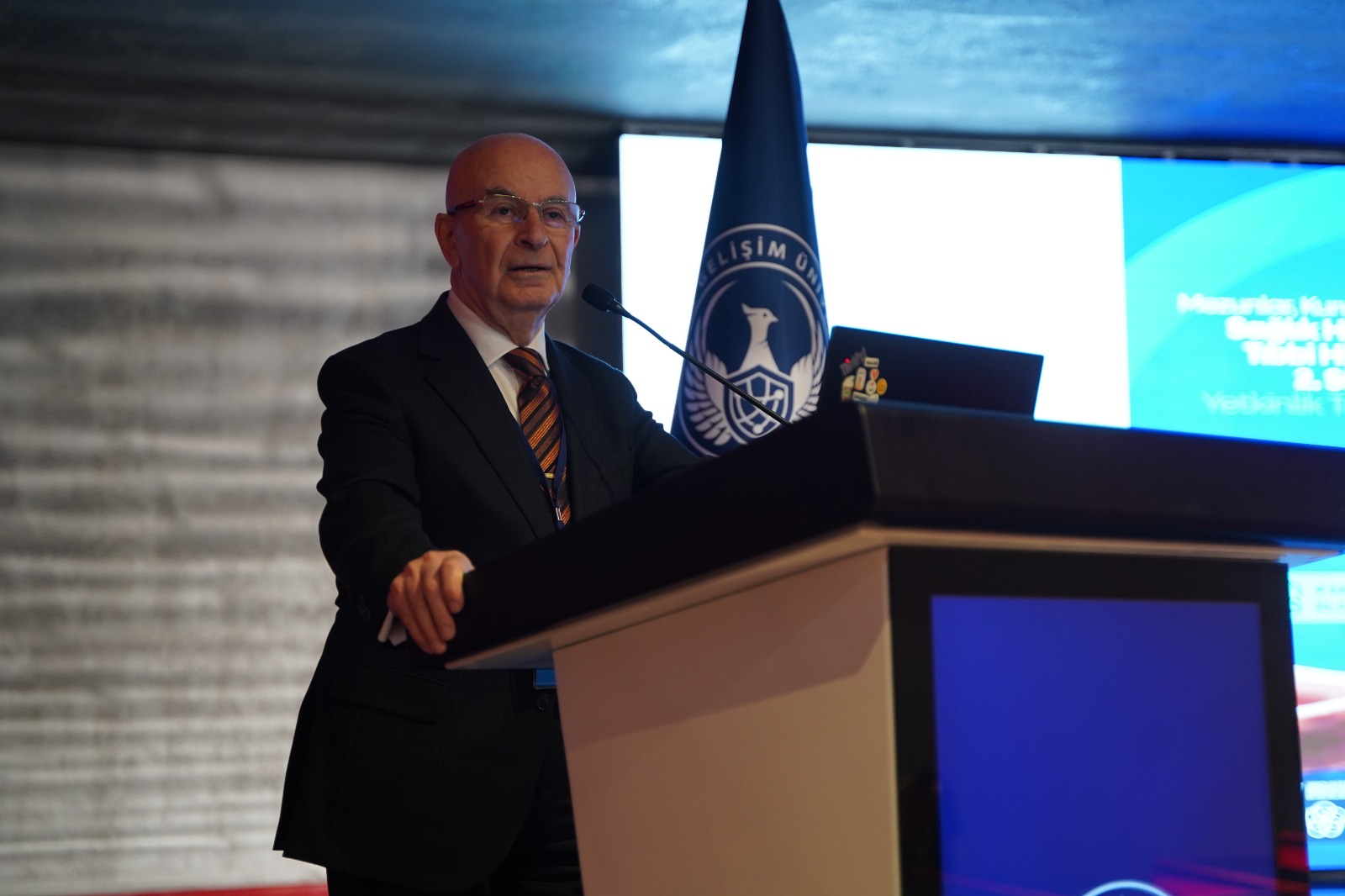
In the opening addresses delivered by IGU Rector Prof. Dr. Bahri Şahin and SHMYO Director Asst. Prof. Abdullah Yüksel Barut, attention was drawn to the importance of continuously updating health education with a philosophy of improvement and of reflecting sector expectations in educational processes.
In his remarks, Rector Prof. Dr. Bahri Şahin emphasized that raising quality standards in health services education, strengthening practice-oriented learning processes, and making sector collaborations sustainable are among the university's core objectives.
Last Year's Feedback Translated into Concrete Applications
The organizing committee of the workshop comprised SHMYO Director Asst. Prof. Abdullah Yüksel Barut, Asst. Prof. Nurcihan Tan Erkoç, Asst. Prof. Nazlı Yüceol, Asst. Prof. İlksen Sarı O, and Asst. Prof. Ayşe Düşünür.
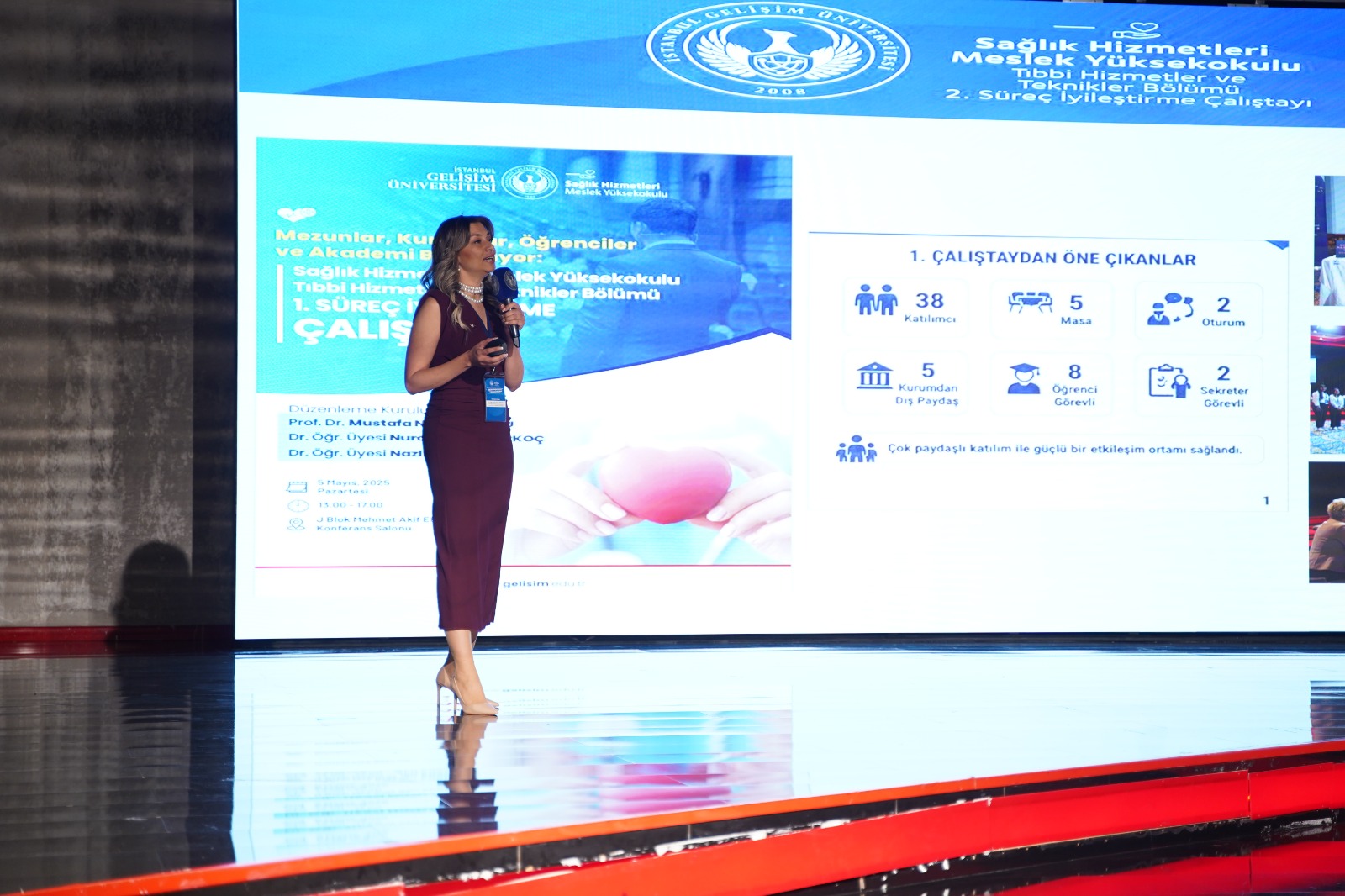
Speaking on behalf of the organizing committee, Asst. Prof. Nazlı Yüceol shared the scope and program of the workshop with participants and also described how the feedback obtained following last year's 1st Process Improvement Workshop had been reflected in educational processes.
In this context, the following important improvements were noted as having been implemented:
• The addition of the "Digital Technologies and Mobility in Health" course to the elective course pool
• The updating of pre-internship field orientation and onboarding processes
• The preparation of IGU-branded intern uniforms and name badges
• An increase in applied and laboratory course hours
• The revision of professional practice forms and assessment criteria
These implementations once again demonstrated that Istanbul Gelisim University has a quality culture that not only gathers feedback but also translates the data obtained into concrete outcomes.
All Stakeholders of the Health Sector Come Together
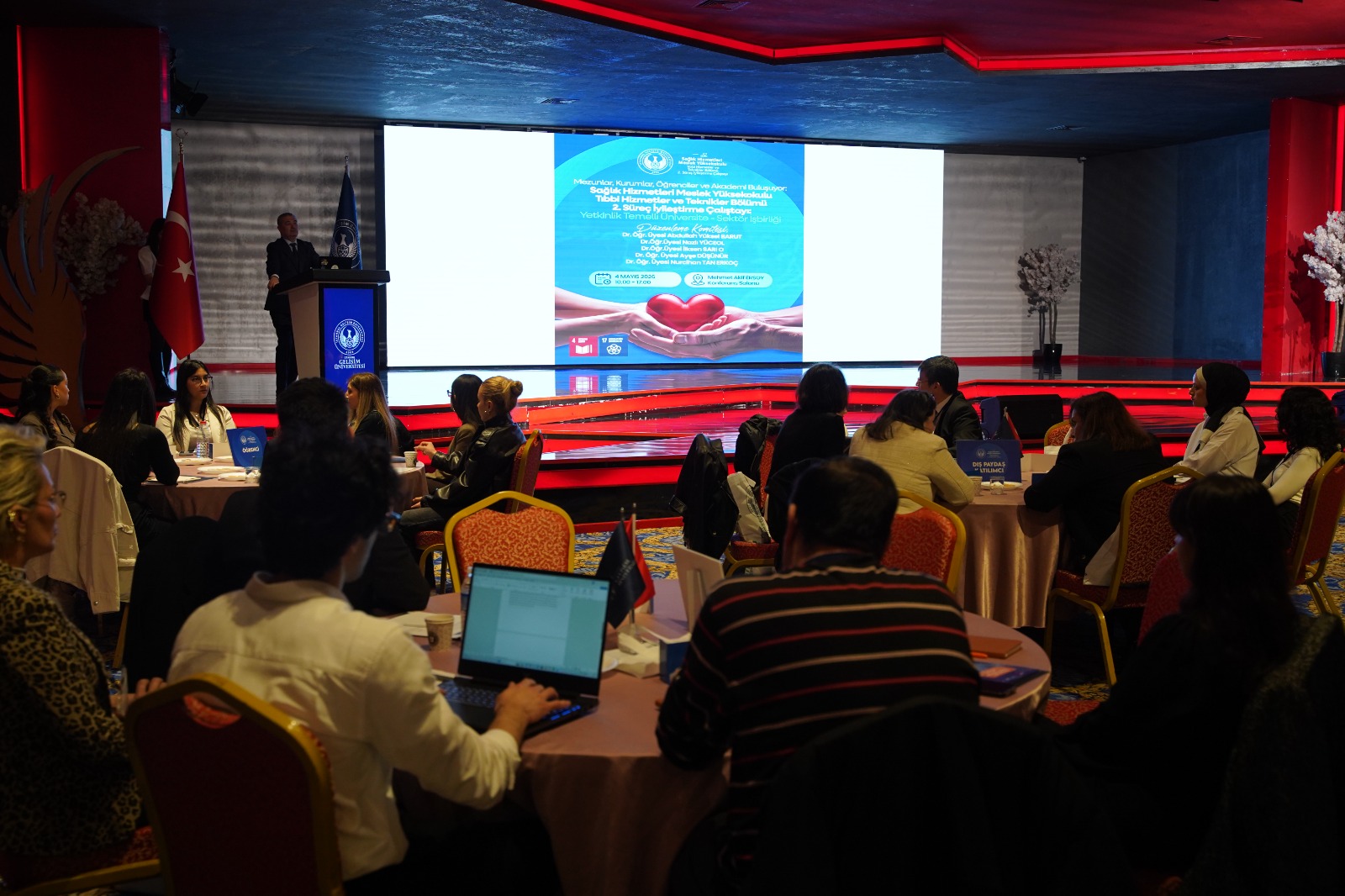
Representatives from different institutions in the health sector participated in the workshop. BHT Klinik, Başakşehir State Hospital, Istanbul Provincial Health Directorate, Taksim Training and Research Hospital, and Neolife Medical Center attended as external stakeholders.
Alumni, students, academics, quality representatives, and internal stakeholders also participated as active members of the workshop. In this way, assessments regarding health services education were examined from different perspectives, creating a multifaceted evaluation environment.
The Future of Health Education Examined from 6 Different Angles
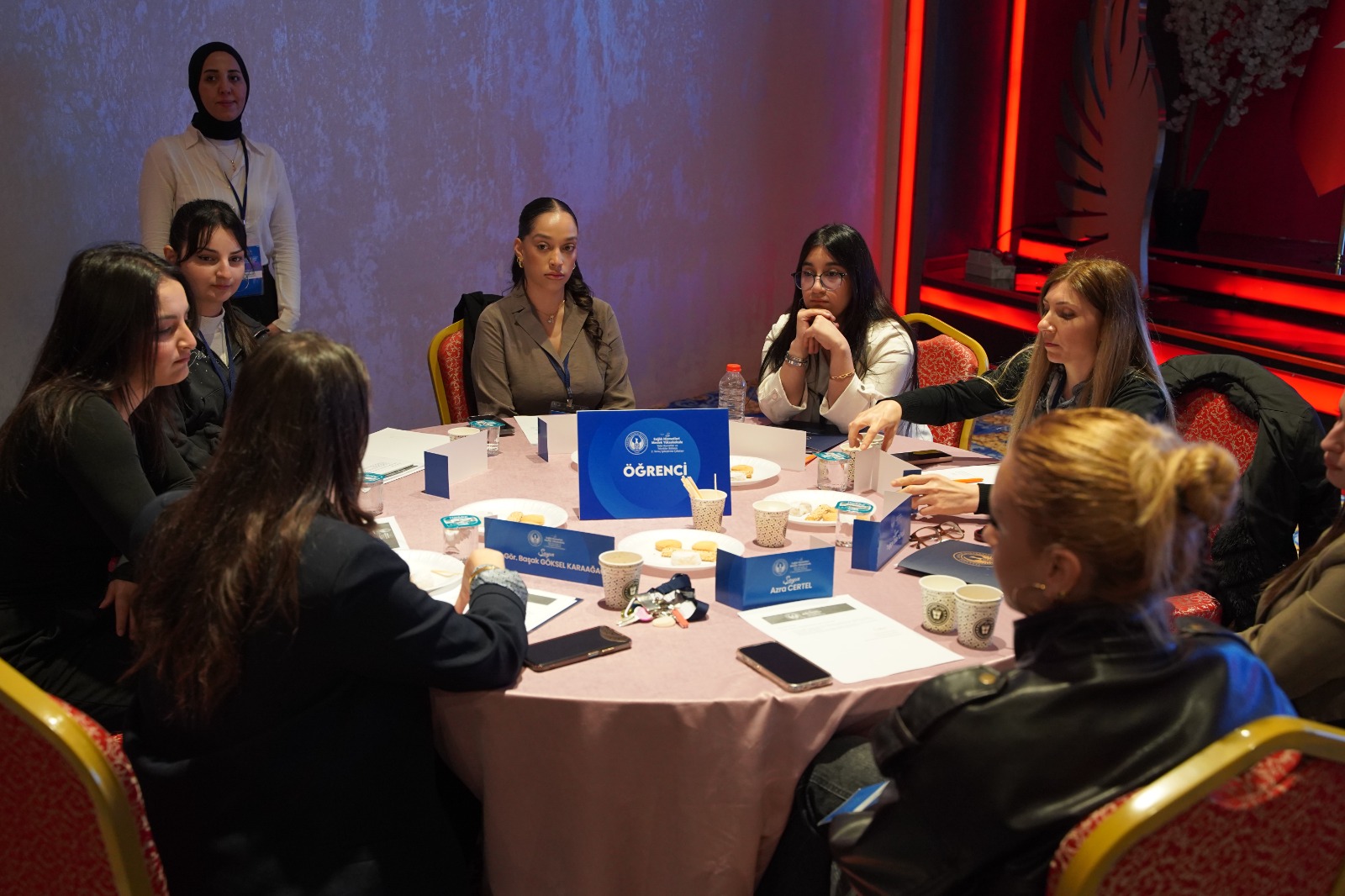
Six working tables were established at the workshop, held under the theme "Competency-Based University–Sector Collaboration." The designated themes were as follows:
• Table 1 – Institutions: "The Sector's 2026 Expectations"
• Table 2 – Alumni: "Competency Analysis: From Education to the Field"
• Table 3 – Students: "Perceived Competency Level and Professional Readiness"
• Table 4 – Academic Staff: "Competency-Based Educational Model Design"
• Table 5 – Quality: "Sustainable Bridge Model"
• Table 6 – Internal Stakeholders: "Institutional Support Mechanisms in Competency Development"
Comprehensive analyses were carried out at each table based on sub-themes and assessment statements determined for health services education. In addition to current situation assessments, participants exchanged views on proposed solutions and development strategies.
Digital Transformation and Competency-Focused Education Come to the Fore
Assessments throughout the workshop placed particular emphasis on the need to more strongly integrate the digital transformation taking place in the health sector into educational programs.
Internal stakeholders shared views on the development of recruitment and promotion processes, increasing participation in Erasmus activities, strengthening students' intercultural communication skills, and supporting internationalization efforts.
External stakeholder representatives drew attention to the fact that more systematically incorporating sector perspectives into curriculum development processes will enhance the quality of health education.
New Proposals for Quality and Sustainable Collaboration
Assessments at the quality working table brought forward proposals aimed at making university–sector collaboration more visible and sustainable. Discussions covered applications to increase the visibility of quality work, new forms and assessment systems to support competency-based educational processes, transparent feedback mechanisms, and digital channels to strengthen communication and announcement processes.
IGU Continues to Shape the Future of Health Education
In the second session of the workshop, each table shared its findings and development proposals with participants, establishing a common outcome base. Quality, sustainable collaborations, digital transformation, and competency-based educational models emerged as the key themes in the event, to which experts from various fields of the health sector contributed.
The Medical Services and Techniques Department of İstanbul Gelişim University's School of Health Services noted that all feedback obtained as a result of the workshop would be reported in detail and that educational processes would continue to be developed in line with these outputs.
University officials also stated that with the third process improvement workshop to be held next year, the goal is to further strengthen the collaboration among sector, academia, students, and alumni.
İstanbul Gelişim University continues its work toward training the health professionals of the future with determination, through its quality-centered approach to health education and the strong partnerships it has built with the industry — while continuing to develop exemplary practices in higher education.